
Traditional Braces – Los Gatos, CA
Achieve a Straighter and Healthier Smile

Many people have crooked, gapped, or misaligned teeth that are hard to clean, vulnerable to injury and infection, and sometimes simply uncomfortable. Fortunately, traditional braces from Dr. Cristina Herrera and her skilled team in Los Gatos can safely and effectively address mild to severe alignment issues. Here’s a quick look at how braces work, but please feel free to schedule a consultation if you would like to know more.
Why Choose Dr. Cristina Herrera for Traditional Braces?
- Skilled and Compassionate Dentist
- Enjoy a Healthier and More Beautiful Smile
- Dental Insurance Welcomed
How Do Traditional Braces Work?
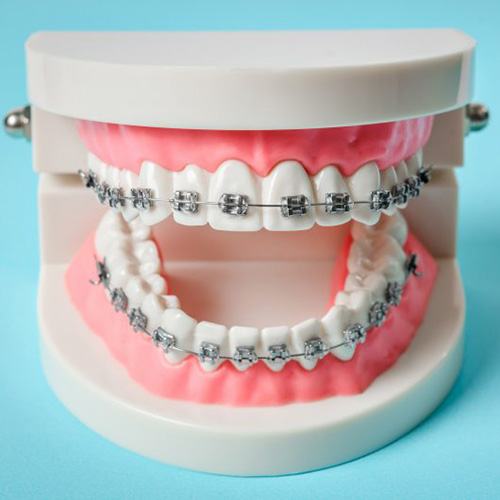
Alignment issues such as gaps, crowding, underbites, overbites, crossbites, and open bites can lead to a host of oral and overall health problems like infections, dental damage, pain in the neck, head, back, or jaw, and difficulty speaking and eating. Braces address these conditions by applying the consistent force necessary to shift the teeth into healthier positions through a system of wires and brackets cemented to the enamel. The patient will need to maintain excellent oral hygiene habits, observe certain dietary restrictions, and visit our office every six to eight weeks so we can monitor the treatment’s progress and make occasional adjustments. Traditional braces can usually address a misalignment in one to three years.
What Orthodontic Issues Can Braces Fix?
The only way to know for sure if braces can help you is to schedule a consultation at Dr. Herrera’s office. After she evaluates your teeth, she may recommend braces to address:
Bite Misalignment
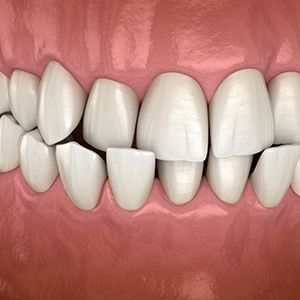
Dental misalignments like overbites, underbites, crossbites, and open bites can lead to a host of problems like teeth grinding, oral injuries, hygiene difficulties, infections, TMJ issues, and aching of the head, neck, or neck. Braces can resolve these issues by drawing the teeth into a healthier alignment that protects the smile from injury and distributes the pressure of chewing more evenly.
Crowded & Crooked Teeth
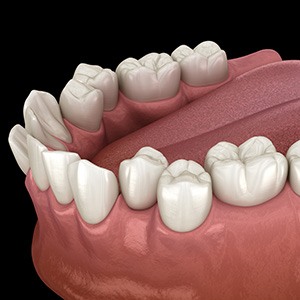
Teeth that are too close together are harder to clean, easier to injure, and prone to oral infections. Braces can pull the teeth into an even alignment that is visually pleasing, can chew more efficiently, and helps the patient practice excellent oral hygiene.
Gapped Teeth
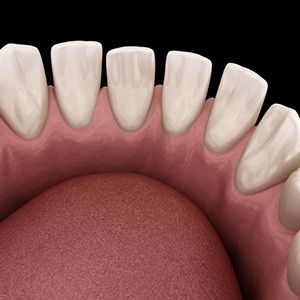
Large spaces between the teeth can expose the gums to injury and accumulate plaque and food residue that feeds the bacteria that cause nasty oral infections. Braces can pull the teeth closer together to close gaps and create a healthier and more beautiful smile.
Caring for Your Braces
You’ll need to practice excellent oral hygiene and adhere to a few dietary restrictions while wearing braces. Some habits to develop include:
- Thoroughly brushing and flossing every day to eliminate plaque and food debris.
- Using special tools daily to clean around and between the brackets and wires.
- Abstaining from foods and beverages that are tough, crunchy, hard, chewy, sugary, or acidic.
- Visiting our office every six to eight weeks for checkups and adjustments.
Understanding the Cost of Traditional Braces
Every smile is one of a kind, which means the cost of traditional braces can vary from person to person. To get a personalized estimate, it’s best to schedule an initial consultation with our team. At your visit, we’ll carefully assess your teeth, jaw, and overall smile before creating a tailored treatment plan to help you achieve a straighter, healthier smile. In the meantime, here are some key factors that can affect the total cost of orthodontic care.
Factors That Affect the Cost of Traditional Braces
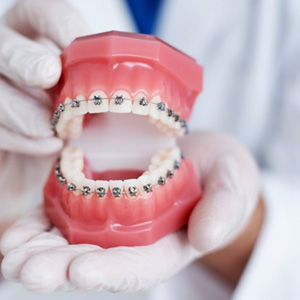
The cost of traditional braces can change since every orthodontic case is unique. Before creating your personalized treatment plan, we take several factors into account that can influence the overall price:
- How complex your teeth's misalignment is
- Your age
- Whether one or both arches need correction
- The length of your treatment
- The number of follow-up visits required
- The need for additional appliances, like headgear, space maintainers, or rubber bands
- Your consistency with treatment, including wearing bands and following dietary guidelines
Professional Braces vs. “DIY” Braces: Which Costs More?

DIY braces might seem like an easy and inexpensive way to straighten your teeth, but they often carry serious risks. Without a complete initial evaluation or professional guidance, it’s easy for problems to go unnoticed, and some people even end up with worsened alignment. Trusted organizations, including the American Dental Association, advise against these at-home methods for safety reasons. For a reliable and effective path to a healthy, beautiful smile, traditional braces with professional care are the safest choice.
Does Dental Insurance Cover Braces?
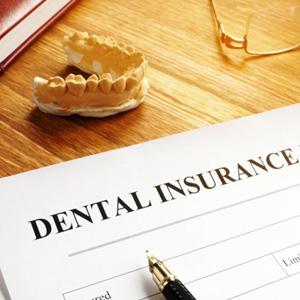
Those with dental insurance need to check whether their plan includes coverage for traditional braces. Benefits vary widely between policies, so you’ll want to review the details with your provider before starting treatment. Some plans may cover braces fully or partially for patients under 18, while others may only provide a set dollar amount. Our team is always happy to help you understand your coverage so you can maximize your benefits and plan your treatment with confidence.
Options for Making Braces Affordable

If you don’t have dental coverage, there are still ways to make orthodontic treatment affordable. We know how important it is to access care that improves your smile and overall oral health. That’s why we offer flexible financing through CareCredit, allowing you to break your treatment cost into manageable monthly payments with little to no interest. This way, you can achieve the smile you’ve always wanted without stretching your budget!
Traditional Braces FAQs
Do Traditional Braces Hurt?
This is hands-down one of the most-asked questions about traditional braces. If it’s something you’ve been wondering as well, we’ll be honest: it’s very normal to experience soreness while your teeth begin to move. However, the discomfort is only temporary and can easily be managed with dental wax, cold compresses, and OTC pain medication.
What Can You Not Eat with Traditional Braces?
To reduce your risk of experiencing an orthodontic emergency that results in discomfort and increases your risk of significant delays, we will provide you with a list of foods to avoid. A few examples include tortilla chips, popcorn, hard pretzels, taco shells, and raw almonds. Instead, stick to mostly nutrient-dense foods that are softer in consistency, including plain yogurt, cottage cheese, vegetable soup, cooked carrots, and scrambled eggs.
Am I Too Old to Get Braces?
Oftentimes, patients in their 30s, 40s, and 50s assume that they are “too old” to get braces in Los Gatos. That’s not the case! In fact, candidacy isn’t determined by age. Not only that, but adults often end up being the best patients because they are investing their own money, they already have a solid oral hygiene regimen in place, and they are motivated to follow the treatment guidelines. All that to say: don’t let your age stop you from scheduling an appointment with Dr. Cristina Herrera.
How Can I Reduce the Cost of Traditional Braces?
There are actually a few ways! To start, your dental insurance provider may cover a portion of the cost. So, don’t hesitate to provide us with your membership information. From there, we can read through the fine print, let you know if you have any available benefits, and, if you do, provide you with an estimate of your out-of-pocket expenses.
Don’t have dental insurance? Ask us about CareCredit! This trusted third-party financier offers convenient payment plans so you don’t have to pay for the entire cost of your orthodontic treatment at once.
What Happens After You Get Your Braces Off?
After we remove your braces, it’s time for the retention phase of your orthodontic treatment. This involves us taking impressions of your teeth so a custom retainer can be made. Once it arrives at our office, we will call you in for your “final” visit, which is when we will make sure it fits comfortably, discuss how to take care of it, and share how often you should wear it.
Important reminder: If you accidentally misplace or break your retainer, don’t wait – schedule an appointment with us ASAP. That way, we can repair or replace it right away, reducing the chances of orthodontic relapse (when teeth drift out of their perfectly aligned positions) in the process.
Can You Drink Coffee with Traditional Braces?
Yes, you can drink coffee with traditional braces. However, it’s important to use a straw, rinse your mouth thoroughly when you’re done, and brush your teeth about 20 minutes later. That way, the portion of your teeth that isn’t covered by the bracket doesn’t discolor significantly.